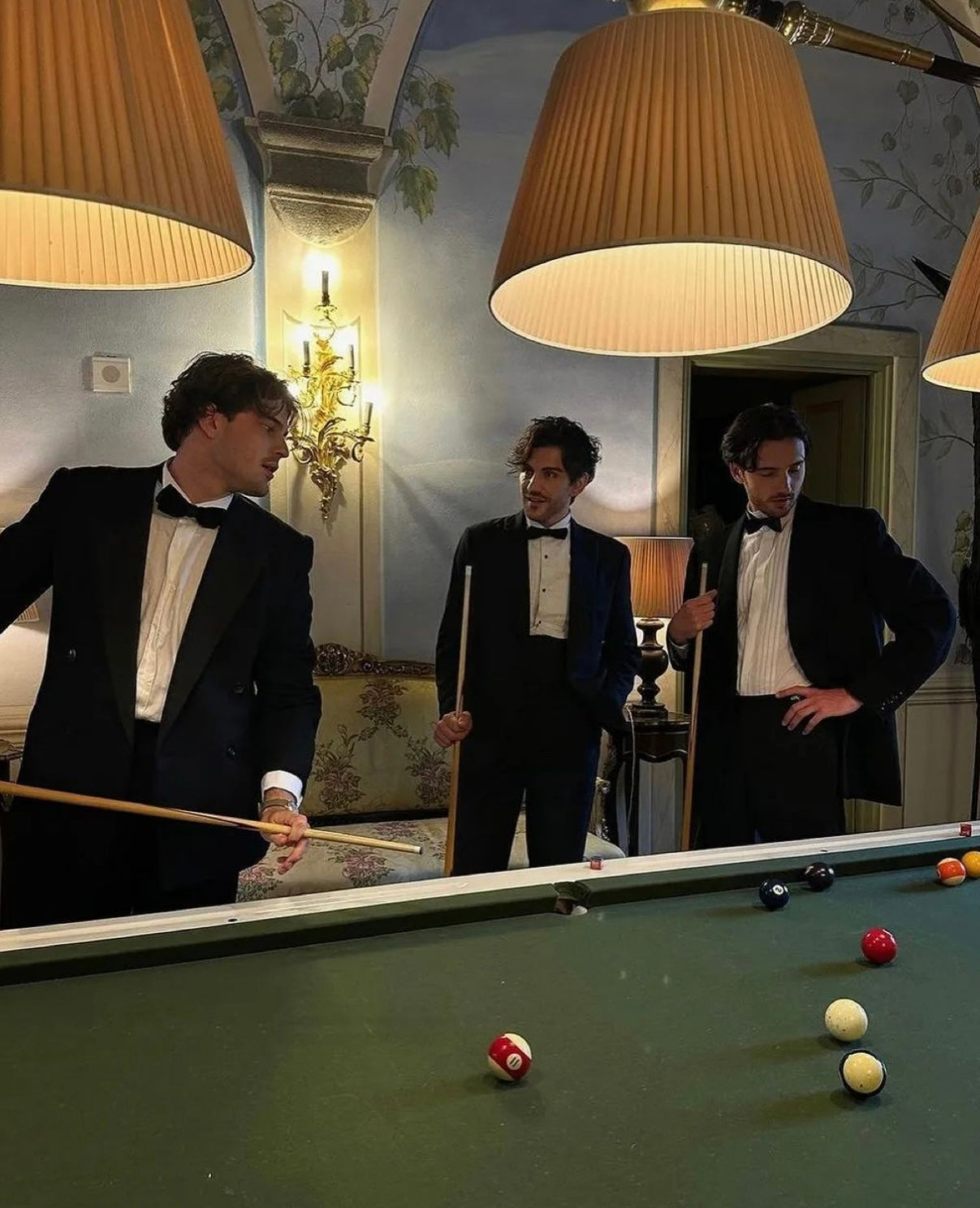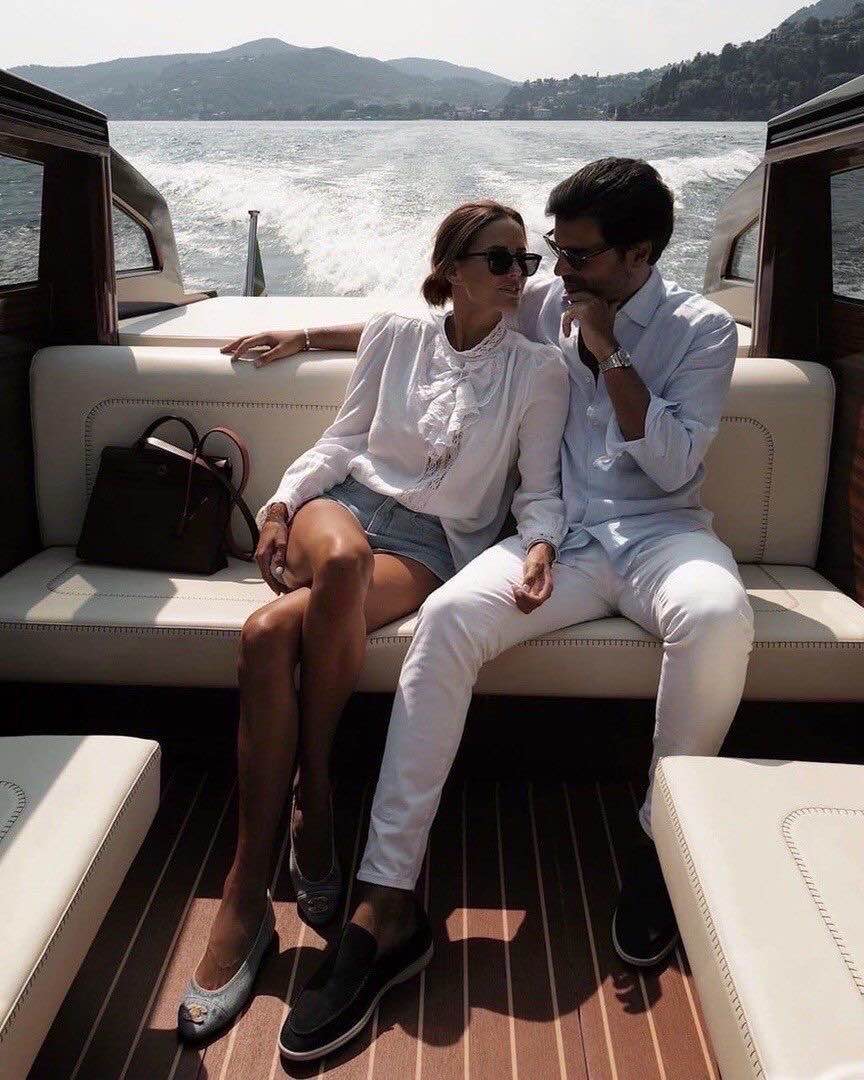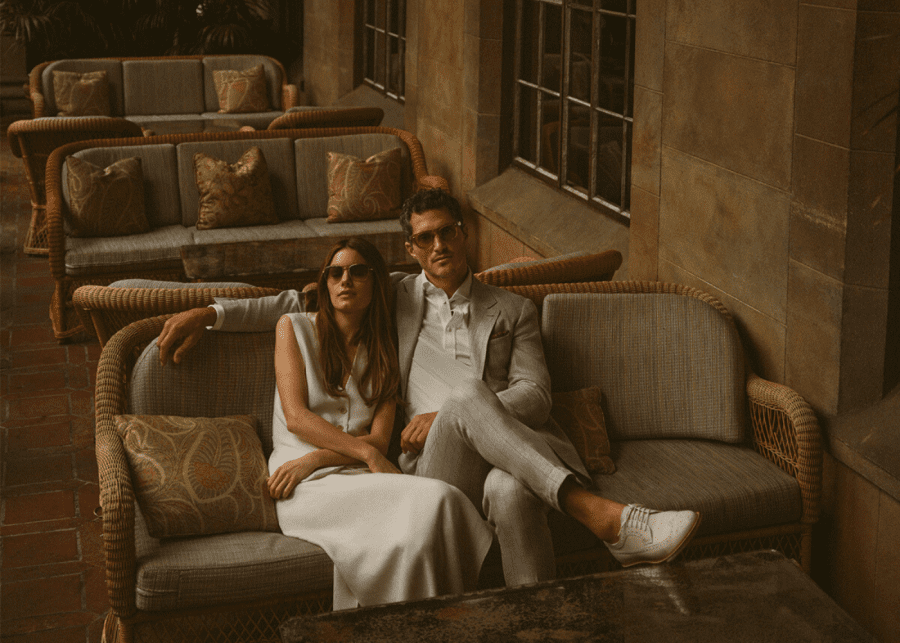
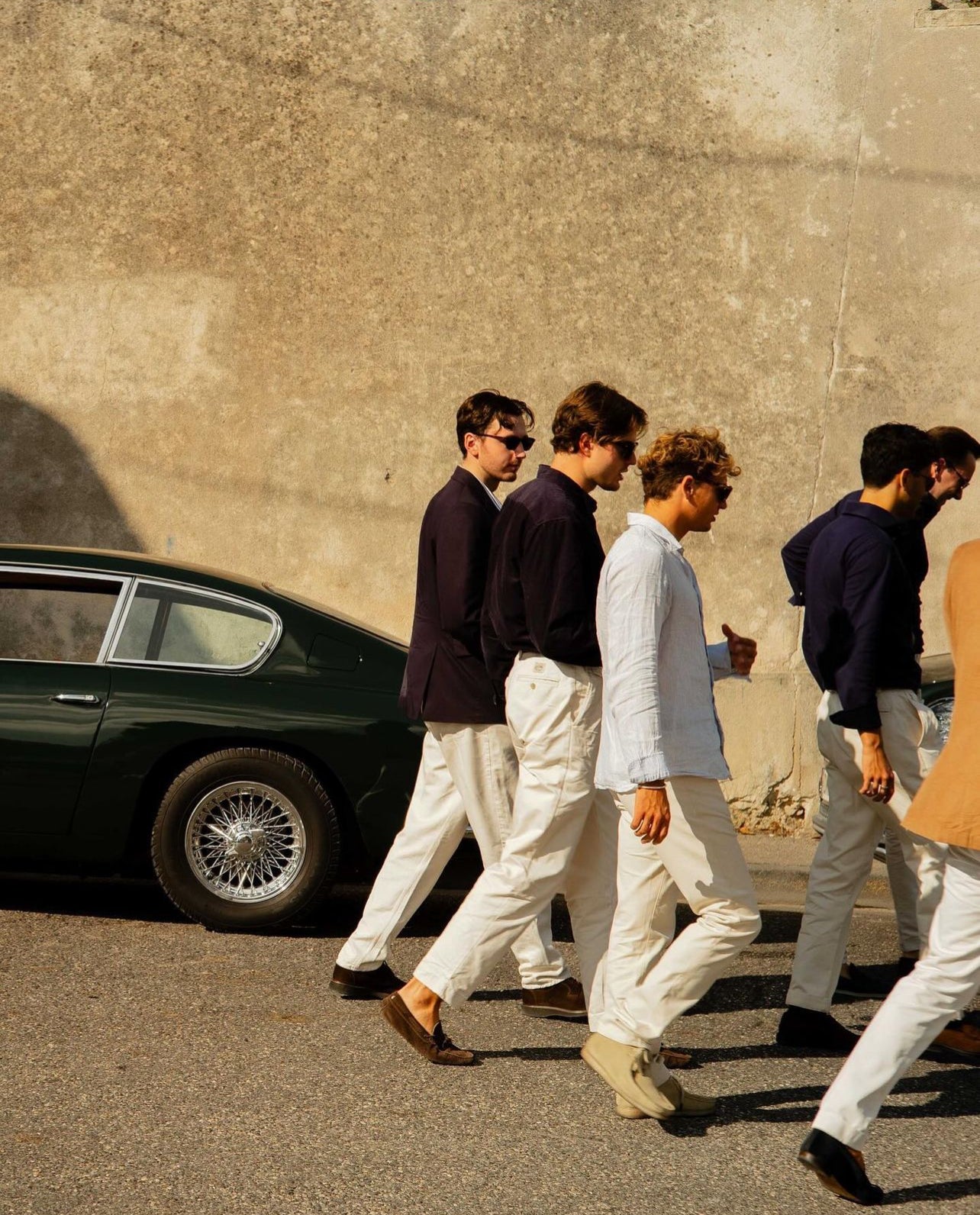

The concept of "old money" has always been synonymous with timeless elegance, understated luxury, and a refined sense of style. This sartorial ethos, cultivated over generations, reflects a deep appreciation for quality, tradition, and subtlety. However, modern fashion trends have significantly altered the landscape of classic style, often prioritizing novelty over enduring elegance. In this blog post, we delve into the history of old-money fashion and explore how contemporary trends have transformed this revered aesthetic.
The Origins of Old-Money Style
1. The Aristocratic Influence
- European Roots: Old-money style finds its roots in European aristocracy, where clothing was a symbol of status and sophistication. Families of nobility invested in bespoke tailoring and luxurious fabrics, ensuring their attire was both elegant and durable.
- American Adaptation: In the United States, the old-money aesthetic was embraced by wealthy families such as the Vanderbilts, Rockefellers, and Astors. Their style was characterized by understated elegance, reflecting a life of leisure and refinement.
2. Key Elements of Old-Money Fashion
- Tailoring: Precision tailoring was paramount. Suits, dresses, and outerwear were custom-made to fit perfectly, highlighting the wearer's natural silhouette.
- Fabric Quality: High-quality materials like wool, cashmere, silk, and fine cotton were staples. These fabrics ensured longevity and a luxurious feel.
- Subdued Palette: The color palette was muted and sophisticated, with an emphasis on neutrals like navy, grey, beige, and white. Patterns, when used, were classic—think houndstooth, pinstripes, and plaids.
- Minimalist Accessories: Jewelry and accessories were understated. Pearls, simple gold pieces, and classic leather goods were preferred over ostentatious displays of wealth.
The Evolution of Old-Money Style
1. The Golden Age of Hollywood
- Glamour and Elegance: The mid-20th century saw old-money style permeate Hollywood, with stars like Grace Kelly and Cary Grant embodying this refined aesthetic. Their wardrobe choices mirrored the understated luxury of the elite.
2. The Preppy Movement
- Ivy League Influence: The 1960s and 70s brought the preppy style to prominence, heavily influenced by Ivy League schools. This look, characterized by polo shirts, khakis, and blazers, was a more casual take on old-money elegance.
Modern Fashion's Impact on Classic Style
1. The Rise of Fast Fashion
- Mass Production: Fast fashion has revolutionized the industry, making trendy clothing accessible and affordable. However, this shift has often come at the expense of quality and craftsmanship.
- Disposable Culture: The emphasis on rapid turnover and constant novelty has led to a disposable culture, where clothing is frequently replaced rather than cherished and maintained.
2. Trend-Driven Aesthetics
- Bold and Flashy: Modern fashion frequently prioritizes bold, attention-grabbing designs. Bright colors, oversized logos, and unconventional silhouettes dominate the scene, starkly contrasting the subtlety of old-money style.
- Eclectic Influences: Contemporary fashion often blends various styles and cultural influences, leading to eclectic and sometimes chaotic ensembles that stray far from the cohesiveness of classic elegance.
3. The Influence of Social Media
- Instant Gratification: Social media platforms like Instagram and TikTok have accelerated fashion trends, creating a demand for constant innovation and instant gratification.
- Influencer Culture: Influencers often promote fast fashion and trendy looks, further distancing modern style from the timeless elegance of old-money fashion.
The Enduring Appeal of Classic Elegance
1. A Return to Quality
- Sustainable Fashion: There is a growing movement towards sustainable fashion, which echoes the old-money emphasis on quality and longevity. Consumers are increasingly valuing well-made, timeless pieces over disposable trends.
- Vintage Revival: Vintage clothing, often embodying the craftsmanship and style of earlier eras, is experiencing a resurgence. This trend reflects a desire to reconnect with the elegance of the past.
2. Timeless Icons
- Modern-Day Exemplars: Despite the prevalence of fast fashion, some contemporary figures continue to uphold the principles of old-money style. Icons like Kate Middleton and Ralph Lauren embody a modern take on classic elegance, demonstrating its enduring appeal.
Conclusion
While modern fashion has undeniably altered the landscape of classic style, the timeless elegance of old-money fashion continues to hold a special place in the sartorial world. By appreciating quality, craftsmanship, and subtlety, we can honor the legacy of old-money style while navigating the ever-changing currents of contemporary fashion. In doing so, we ensure that true elegance remains an integral part of our collective wardrobe.
Feel free to customize the content based on specific events, promotions, or themes relevant to your store and audience. This format should help engage your readers while showcasing your brand's personality and commitment to style and quality.